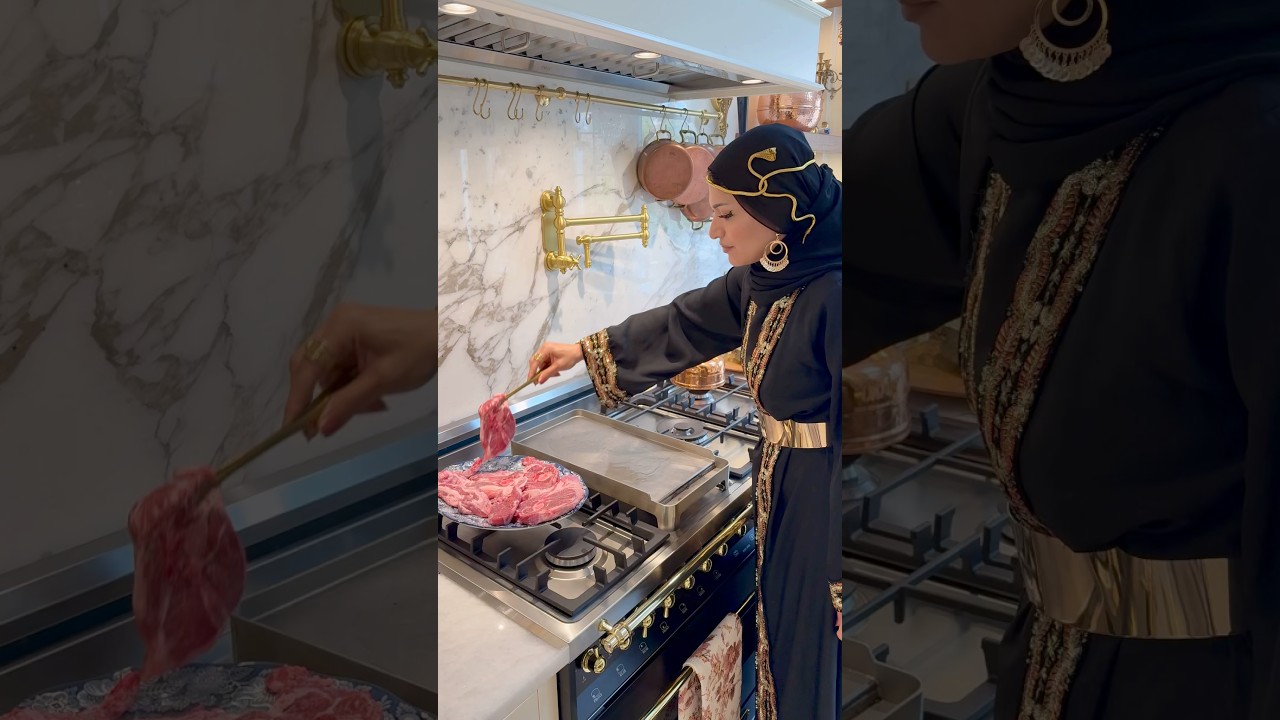
Beef Tagine with Dried Apricots,, and Raisins طاجن لحم بالقارصيا والمشمشيه وصفه مصريه قديمه🇪🇬

طاجن اللحم بالقراصيا والمشمشية (الوصفة المصرية التقليدية)
المكونات
• لحم موزة أو كتف: 1 كيلو مقطع مكعبات كبيرة
• قراصيا (برقوق مجفف): 1 كوب
• مشمشية (مشمش مجفف): نصف كوب
• بصل أبيض: 2 حبتين كبار (مفروم أو شرائح)
• عسل نحل أو سكر: 3–4 ملاعق كبيرة
• قرفة: عود + نصف ملعقة صغيرة بودرة
• زنجبيل: نصف ملعقة صغيرة
• ملح وفلفل أسود: حسب الذوق
• لوز مقشر ومقلي: للتزيين
• زيت أو سمنة: ملعقتان كبيرتان
طريقة التحضير
1. تحمير اللحم
• سخّني السمنة أو الزيت في قدر.
• شوّحي اللحم حتى يكتسب لونًا بنيًا من جميع الجوانب.
• أضيفي البصل وقلّبي حتى يدبل.
• أضيفي الملح والفلفل والقرفة البودرة والزنجبيل وعود القرفة، وقلّبي دقيقة لتُطلِق البهارات رائحتها.
2. التسوية
• أضيفي ماء ساخن أو مرق حتى يغطي اللحم.
• اتركي القدر يغلي، ثم اخفضي النار وغطّيه حتى يصل اللحم إلى نحو 80% من النضج.
3. إضافة الياميش
• اغسلي القراصيا والمشمشية جيدًا.
• قبل اكتمال نضج اللحم بـ 15 دقيقة، أضيفيهما إلى القدر.
• أضيفي العسل أو السكر ليبدأ الصوص في التقلية والتعسيل.
• يمكن إضافة رشة خل صغيرة إذا رغبتِ في توازن بسيط بين الحلاوة والحموضة.
4. الطاجن والفرن
• سخّني الفرن إلى 180 درجة مئوية.
• اسكبي اللحم والياميش والصوص في طاجن فخار.
• أدخليه الفرن 15–20 دقيقة ليتماسك الصوص ويتحمر الوجه قليلًا.
5. التقديم
• زيّني الوجه باللوز المقلي (وممكن إضافة سمسم محمص).
• يقدم الطاجن مع أرز أبيض أو أرز بالشعرية
Beef Tagine with Dried Plums and Apricots (Traditional Egyptian Recipe)
Ingredients:
• Beef (shank or shoulder), 1 kg, cut into large cubes
• Dried plums (prunes), 1 cup
• Dried apricots, ½ cup
• White onions, 2 large, chopped or sliced
• Honey or sugar, 3–4 tablespoons
• Cinnamon, 1 stick + ½ teaspoon ground
• Ginger, ½ teaspoon
• Salt and black pepper, to taste
• Peeled and fried almonds, for garnish
• Oil or ghee, 2 tablespoons
Instructions:
1. Browning the Meat:
• Heat the oil or ghee in a pot.
• Sauté the beef until browned on all sides.
• Add onions and cook until soft.
• Add salt, pepper, ground cinnamon, ginger, and the cinnamon stick, and stir for a minute to release the spices’ aroma.
2. Cooking the Meat:
• Add hot water or broth to cover the meat.
• Bring to a boil, then lower the heat and cover, cooking until the meat is about 80% done.
3. Adding the Dried Fruits:
• Rinse the plums and apricots well.
• About 15 minutes before the meat is fully cooked, add the dried fruits to the pot.
• Add honey or sugar to allow the sauce to thicken and sweeten.
• Optionally, add a small splash of vinegar to balance sweetness with a slight tang.
4. Baking in the Tagine:
• Preheat the oven to 180°C (356°F).
• Pour the meat, fruits, and sauce into a clay tagine.
• Bake for 15–20 minutes to let the sauce thicken and slightly brown the top.
5. Serving:
• Garnish with fried almonds (and optionally toasted sesame).
• Serve the tagine with white rice or rice with vermicelli.
source


🇪🇬 Beef Tagine with Dried Apricots, Currants, and Raisins – An Ancient Egyptian Recipe
The ancient Egyptians were among the first people to dry fruits and use them in baking and cooking, showcasing their creativity and dedication to preserving food and making the most of it. Today, I’m sharing an inspiring ancient Egyptian recipe: cooking meat with dried fruits like apricots, currants, and raisins, sweetened with honey.
This dish was featured in heritage books like Kanz al-Fawa’id fi Tanawwu’ al-Mawa’id and was especially enjoyed during Ramadan to make use of seasonal dried fruits. Unfortunately, the recipe has faded over time, but I believe Upper Egypt and Aswan still preserve some of these traditional Egyptian recipes. Together, we can revive it and enjoy its amazing flavors 🥰🇪🇬
ماشاء الله علب التوابل اللهم بارك
C marocain galak égyptien
كثرتي البصل 😮😮😮
حنا عندنا في الجزائر 🇩🇿 طبق يشبهه ينعمل باللحم الغنم و البرقوق و الزبيب و المشماش المجفف و في الأخير نرش عليه لوز محمص اسم الطبق اللحم الحلو و نعمله في رمضان
بعشق الوصفة دي و مامتي كانت دايماً تعملها لنا في رمضان
التبرج والزينه والظهور امام الرجال الأجانب حرام اين غض البصر اتقوا الله
The book “Kanz al-Fawa’id fi Tanwe‘ al-Mawa’id” is of unknown authorship; the author’s name and origin are not known, and no specific country of affiliation is mentioned. The dishes it contains are not solely local; rather, they are a collection of recipes from various countries within the Islamic world, such as Egypt, the Levant, Persia, the Maghreb, and occasionally Andalusia. Therefore, there is no need to attribute any dish to a specific country, as the book presents a diverse compilation of recipes from different cultures, rather than representing the cuisine of a single nation and this dish is really moroccan
كل شي حلو ماعدا الخاتم اللي لابسته وانتي بتعجني، والخبز الافضل يكون خبز عربي (عيش).
❤❤❤❤😊
بالصحة والعافية
أكلة مغربية من يد مصرية بطريقة عصرية ،🇲🇦🇪🇬❤
Where do you live exactly. Not Egypt for sure.
محتوى راقي جدا استمرى
❤❤
شكون فقصاتوا انا بعد فقصاتني واللحم نشفاتوا مسكين
في المغرب نفس الطبق اللحم بالبر قوق والمشمش الجاف والتعيين في الاخير باللوز جميل جدا طعهم من الاطباق المعروفة لكن الطريقة مختلفة
غير المروك عندهم طجين ❤ على الأقل قولو طجين مروكي يا جدكم.
أنا مابحب الاكل اللي مسويته امرأة مسوية طلاء الاضافر
ماشاء الله تبارك الله الف هنا تحياتي من مصر
تبارك الله. اعجبني المطبخ. جد راءع. وانت اروع
يعني ادنيك ماهم عوره كاشفتيهم نشان نشوفو الحلق
هاي المرأة رائعة متاخذني اعيش وياهة بالمناسبة اني امرأة
ما شاء الله
She is Turkic
استغفر الله العظيم وأتوب إليه اللهم صلي وسلم وبارك على سيدنا وحبيبنا محمد وعلى آله وأصحابه أجمعين
الطاجين اللحلو وصفة جزائرية
ماشاء الله تبارك الرحمن تسلم إديك❤
اي بلد العيش ده
بصحتك لحبيبة
رائعة تسلم أيدك ❤🎉
ياااا ربي ترزقني من عندك وتكون عندي هاد الكوزينة مجهزة يااا رب انا وكل من قال امين ❤
ما شاء الله
اللهم امين يارب العالمين
La recette ça a l'air très bon😊❤❤❤❤❤🎉
ماشاء الله جميل جدا تسلم ايدك
ربنا يذيدك من فضله
سبحان الله وبحمده سبحان الله العظيم
كل الاحترام والتقدير لك سيدتي.وزادك الله من فضله ونعمه.
ولكن الناس فقراء .ويحتاجون ،ولو طرف واحد من ذاك اللحم.لو سترت عليك هذا الخير.حتى لاينغص الاخرون حالهم ويقارنون ضعف الحال بحالك.الستر حتى تدوام عليك نعمت الله.فالاغلبية الناس فقراء.
وحتى الدين لايحب ان التباهي بما عندنا من متاع الدنيا.
حفظك الله من كل سر نصيحة من القلب الى القلب.
ماشاء الله
😂😂😂😂😂 Friends from Egypt visited us and they were very surprised to integrate sweet with salty in Moroccan cooking, but they said that the idea is crazy today, the world-famous Moroccan tajine has become Egyptian, oh wonder 😂😅
تسلم ايديك بجد جميلة وتحفه بس بعيدا عن المشمش والمكسرات
طاجين ؟؟؟
ماشاء الله عليك …نحن ايضا في المغرب نتقن طاجين اللحم بالبرقوق الجاف او الزبيب ويكون الطعم جامعا بين الذوق المالح والحلو ….جميل أن يكون لدينا ثراث مطبخي مشترك بين باقي الدول الإسلامية …