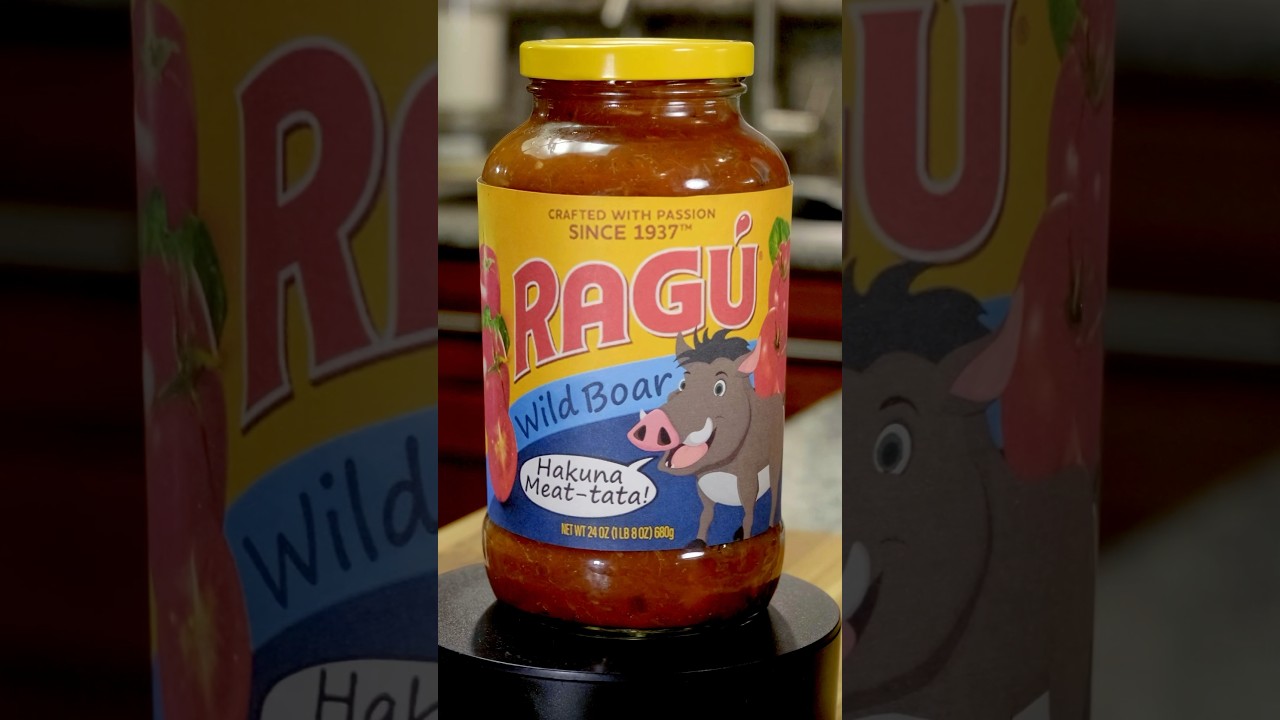
W is for Wild Boar Ragu

This was my first time making Wild Boar Ragu, but it was a huge success.
Wild boar is one of my favorite dishes to get while visiting Tuscany, but in California, it is very hard to find the main ingredient so if you ever see it on the shelf, please give this recipe a try, or just substitute some beef, lamb and pork. I’d recommend using tough/lean cuts like chuck, shank, and butt. For the recipe conversions and different portions, check out my website.
For the Marinade
1kg Wild Boar
1 Onion
1 Carrot
2 Stalks Celery
2 Bay Leaves
3 Cloves Garlic
1 Bottle Chianti
Pinch of Salt
For the Ragu
300g Yellow Onion
150g Carrot
150g Diced Celery
Pinch of Salt
2 Bay Leaves
1-3 Cloves Garlic
25g Tomato Paste
Leftover Red Wine (Finely Strained)
1.5 L Tomato Puree
Cinnamon to Taste
Chocolate to Taste
Salt to Taste
Black Pepper to Taste
Recipe:
Wild Boar can be a little gamey. If you like that, then you can skip the marinade. I was basing this off a traditional Tuscan recipe I learned while in Florence that uses marinated wild boar.
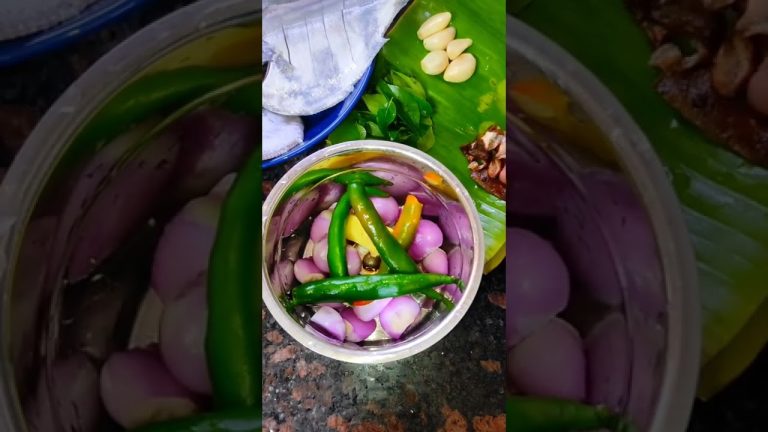
Add the ingredients for the marinade into a large bowl and let sit overnight in the fridge.
The next day, strain the meat, pat dry, and brown on all sides in a bit of olive oil.
Remove the meat and add the diced onions, carrots, celery and a pinch of salt. Using the steam to naturally release the browned bits of meat.
After a few minutes, add the garlic, and tomato paste. Stir and cook for 2-3 minutes.
Add the strained wine from the marinade, making sure to skim any foaming impurities that may rise to the top as the wine comes to a boil.
Once boiling, add back in the meat, the tomato puree, bay leaves and water until the meat and veggies are fully covered. Simmer for 3-4 hours or until the meat is soft enough to easily pull apart.
I like to pull out the meat and shred it here. I think it has a better final texture when added back to the sauce.
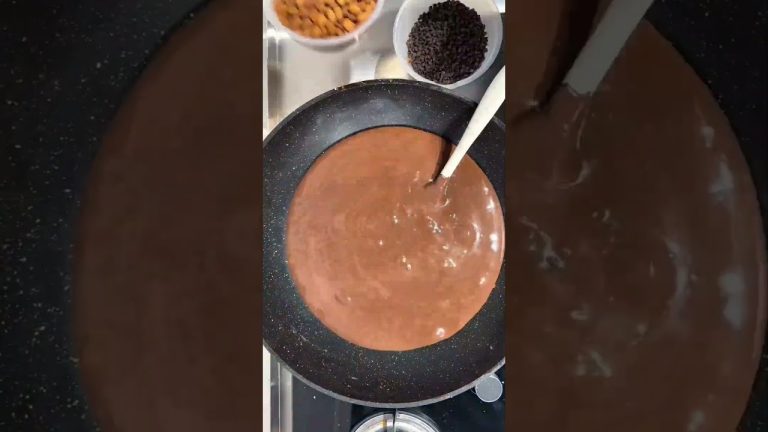
Experiment with some seasonings here, I followed some recipes from southern Italy that sometimes pair gamey meats with cinnamon and chocolate, but rosemary and thyme are also good options for a boar ragu. Also add some salt and pepper to taste and remove the 2 bay leaves before serving.
#italianfood #pasta #cooking #wildboar
source

This was my first time making Wild Boar Ragu, but it was a huge success.
Wild boar is one of my favorite dishes to get while visiting Tuscany, but in California, it is very hard to find the main ingredient so if you ever see it on the shelf, please give this recipe a try, or just substitute some beef, lamb and pork. I’d recommend using tough/lean cuts like chuck, shank, and butt. For the recipe conversions and different portions, check out my website.
For the Marinade
1kg Wild Boar
1 Onion
1 Carrot
2 Stalks Celery
2 Bay Leaves
3 Cloves Garlic
1 Bottle Chianti
Pinch of Salt
For the Ragu
300g Yellow Onion
150g Carrot
150g Diced Celery
Pinch of Salt
2 Bay Leaves
1-3 Cloves Garlic
25g Tomato Paste
Leftover Red Wine (Finely Strained)
1.5 L Tomato Puree
Cinnamon to Taste
Chocolate to Taste
Salt to Taste
Black Pepper to Taste
Recipe:
Wild Boar can be a little gamey. If you like that, then you can skip the marinade. I was basing this off a traditional Tuscan recipe I learned while in Florence that uses marinated wild boar.
Add the ingredients for the marinade into a large bowl and let sit overnight in the fridge.
The next day, strain the meat, pat dry, and brown on all sides in a bit of olive oil.
Remove the meat and add the diced onions, carrots, celery and a pinch of salt. Using the steam to naturally release the browned bits of meat.
After a few minutes, add the garlic, and tomato paste. Stir and cook for 2-3 minutes.
Add the strained wine from the marinade, making sure to skim any foaming impurities that may rise to the top as the wine comes to a boil.
Once boiling, add back in the meat, the tomato puree, bay leaves and water until the meat and veggies are fully covered. Simmer for 3-4 hours or until the meat is soft enough to easily pull apart.
I like to pull out the meat and shred it here. I think it has a better final texture when added back to the sauce.
Experiment with some seasonings here, I followed some recipes from southern Italy that sometimes pair gamey meats with cinnamon and chocolate, but rosemary and thyme are also good options for a boar ragu. Also add some salt and pepper to taste and remove the 2 bay leaves before serving.
#italianfood #pasta #cooking #wildboar
Pretty sure wild hogs are considered vermin in TX and can be hunted year round permit free. Probably make a dope video series
Thanks for the description of flavour. There’s a supplier of wild meats here in Australia who only do wild-caught, pest species (which in Australia is venison, rabbit, boar and funnily enough, kangaroo). I’d hadn’t tried the wild boar as I wasn’t sure what to do with it or how it would taste but I reckon I’ll try it now
My mum made meatloaf with wild boar and deer the other day. It was delicious.
Chingale ala marinara 😂
Putting chocolate in there is ok but then you scream when I put pineapple on pizza 😂😂
My parents (germany) just get literally half a boar and half a deer from a befriended hunter every year. 60€ each. Thats insane value for the amount of meat – they bought a second freezer after doing it for the first time
Has ordinary sausage made a boar sausage?
Easy to find and quite cheap in Sweden
Damn the François-Regis Gaudry jumpscare got me good
I'd like to point out that as a common rule in Italy, sauce should be paired with an appropriate pasta size. An hefty sauce like boar fits right with a very think and dense pappardelle (large tagliatelle as in the video) or bigoli (kinda like Udon noodles). You don't want anything thin and delicate like spaghetti or ravioli
I see that one of your books is in french. Do you speak french ?
Big dog you’re in America, put out the bag signal and I guarantee one your viewers could’ve gotten you free wild boar.
Bro it calls for coco powder not Hershey's 😂
poor pumba
Are you Italian? U look kinda Italian bro. Like John Stamos
Solo un paio di consigli, non usare il vino della marinata per cuocere ma del vino nuovo, il cioccolato fondente almeno all’80% di cacao… mia nonna faceva così…. ❤
Not trying to tell you how to make content, but I’m thirsting for some PBS style educational long-form videos hosted by you, of course.
I loved wild boar in Tuscany! Sadly, I can't afford it in the US. I don't know why it's not more popular.
Mexicans hearing the name of the marinate:
Changate a la que de que?🤨
Bruh wild boar is literally a pest why are people selling it for so much
Wild boar is not expensive in the USA. America has three times the amount of boar as Italy. Since boar is invasive in America, a lot of meat results from the culling process. Hunters often donate a lot of meat to soup kitchens because they have such a large surplus. Wild boar bought from ranches is expensive. Funny thing about that though, ranched boar isn’t really boar anymore. Any pig will eventually become a boar when free of captivity. They grow hair and tusks and their muscle structure changes. However the reverse is true, taking a boar and putting it on a ranch changes the boar back into a domestic pig. It’s a strange process that is being studied. But even free range ranches will slowly over generations turn boars back into domestic pigs. For a swine to be a boar it must live out in the wild with no farming or ranching involved. If you’re buying boar from a ranch, chances are it’s not a boar but a pig.
“How to explore new and/or expensive ingredients” could be a little series, I love the way you teach i find it accessible and inspiring
If you hunt here in the south there are wild boar everywhere. We soak the meat in ice water overnight. It takes the gamy taste out of the meat.
The cinnamon and/or chocolate is added to balance or mellow down the gaminess of the meat. Sometimes used in hare/rabbit dishes as well.
make a puglia pastry, salato
I only ate wild boar ragu in Italy. It was very delicious. It’s strange it’s not popular here since we have many wild boars and most people consider them a pest.