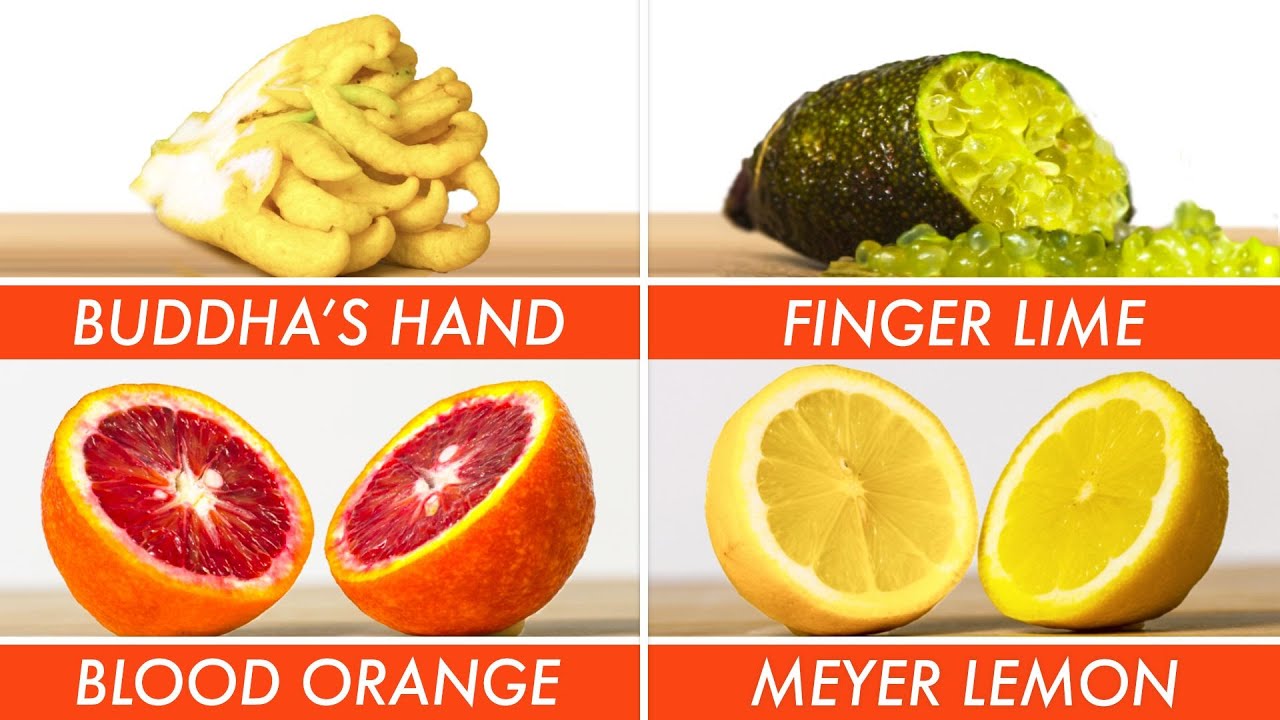
Trying Every Type Of Citrus | The Big Guide | Epicurious
Join Chef Adrienne Cheatham for a deep dive into everything you’d ever need to know about working with citrus in the kitchen. From the origins of each cultivar to using the right variety for every occasion, Chef Adrienne breaks it all down, giving you the knowledge and confidence needed to unleash your inner fruit ninja.
Follow Chef Adrienne on Instagram at @chefadriennecheatham
—
0:00 Introduction
0:19 Navel Orange
0:35 A Brief Note On Crossbreeding
2:05 Moro Blood Orange
3:33 Seville Sour Orange
4:19 A Brief Note On Seeds
5:23 Bergamot
6:53 Citron
8:03 Buddha’s Hand
9:12 Lime
10:43 Lemon
10:57 A Brief Note On Fruit Seasons
12:08 Finger Lime
12:56 Meyer Lemon
14:16 Pomelo
15:13 Red Grapefruit
15:41 A Brief Supreme Tutorial
16:27 Mandarin
17:27 Kishu Mandarin
18:07 Satsuma Mandarin
19:15 Kumquat
20:20 Calamondin
21:44 Conclusion
Still haven’t subscribed to Epicurious on YouTube? ►►
ABOUT EPICURIOUS
Browse thousands of recipes and videos from Bon Appétit, Gourmet, and more. Find inventive cooking ideas, ingredients, and restaurant menus from the world’s largest food archive.
source





Swear mp4 18:37
Me thinking it’s called a navel orange because if the navy or something 😐
I was triggered by how she cut the grapefruit
Did she have to smack her lips every time she talked
Hi, just a note about the Citron: the Citron, unlike most other fruits, does not fall off the tree if not picked in the year of its growth, but rather can stay on the tree for up to three years. Most Citrons are picked in its first year, even though they do not fully ripen until the second year. That is why the Citron tried was so sour.
But you forgot to discuss the Indonesian "jeruk sambal"
Bro what in the world did she say 💀
Lime is underrated
0:20 bro what💀
she got a year's worth of vitamin C making this video
Chinotto
"The basic bi₺¢h of citrus" got me😭🙏
Title: Every
Stated: 310+
This video: 18
Navel oranges are delicious
After alot of months i found this video again
11:39 lemon egg surprise
NOOOOOO
A BAD WORD FOUND
Wow
Don't tell me what I can't eat >:C
I eat lemons like apples :3
"Modern" Nintendo emulator names
14:23 do you know what else is massive
Hi I'm citron
This is now my hyperfixation video nobody can tell me differently I watch this all the time
I LOVE mandarin oranges. Theyre such sweet little snacks that are much healthier and tastier (imo) than any candy or processed foods. One of my favorite fruits.
My friend had a pomelo tree and we'd pick one and juice it for cocktails. Delicious.
My school for one day served finger limes and i was exited to try it but when i tried it it tasted so bad that the flavor stayed in my mouth for a whole month
I would really want to try finger lime and kumquat taste really nice and convenient to eat, no need to remove the skin or pith
I’m watching this because I’m allergic to citrus and I know im missing out 😭 (developed allergy in middle/late elementary school)
Very wrong info on citrus
Mothership is a bad🫏name ngl😅
Use finger limes as popping boba xD
[21:10] …and here's sodarinha for you, Uncle Gary!
Yuzu,Rough Lemon,Pompia,Cara Cara,Bali Orange And More
That cut was amazing 2:35
You judge fruit while it's still unripe and say you wouldn’t eat it because it’s tart, but the real problem is that it was picked too early. Citrus fruits like kumquats often ripen sweet on the tree, but once removed, they don’t develop their full flavor. You never gave them the chance to become what they were meant to be.
0:25 Not just in the US, love. Ever heard of Spain?
"Over 310" seems specific enough to just call out the exact number. So, that's what, 311?
10:08 limes are gre when not ripe bute ripen yellow
I am so happy she actually supremed the grapefruit. It's so so much better.
Fun fact: bergamot is used in the popular spirit (in the US anyway) Italicus! It's like a bougie elderflower liequeur.
keffir lime please?
My favorite desert is an orange upside down cake using mandarin, blood, and caracara oranges. It's yummy and looks pretty too
I.
‘9-…..
‘’’;po
‘V GN
I had NO idea bergamot was a citrus! I thought it was some kind of spice or wood 😭