
Similar Posts
Slow & Low Texas Brisket on a Smoker | DJ BBQ
DJ BBQ is cooking in a storm to bring you his classic Texas Brisket. One huge lump of beef cooked for 18 hours in a Lang Smoker. In the rain. Outdoor cooking at it’s best. DJ BBQ CHANNEL: Recipe here: Click here for the Woodstock Bean Recipe: For more nutrition info, click here: Jamie Oliver’s…
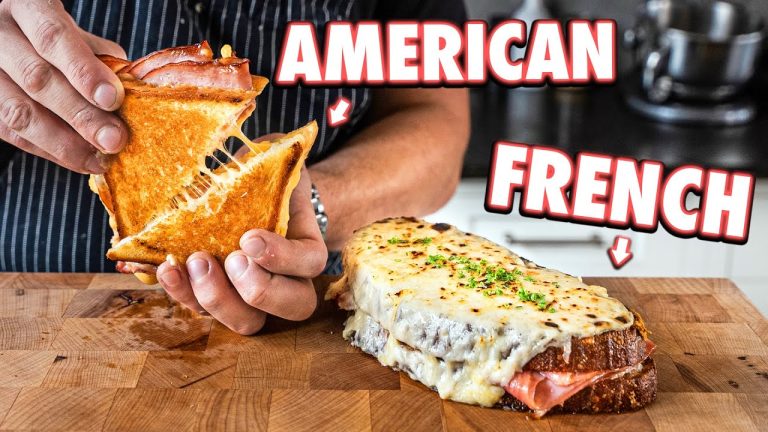
American Grilled Cheese Vs. French Grilled Cheese
Usually a homemade grilled cheese is going to be good, gourmet or not. Today we pit arguably the two most famous together to find an ultimate grilled cheese. Get My Cookbook: Additional Cookbook Options (other stores, international, etc.): FOLLOW ME: Instagram: Tik Tok: Twitter: Facebook: Subreddit: Discord Server: ————————————————————— Full Recipe: source
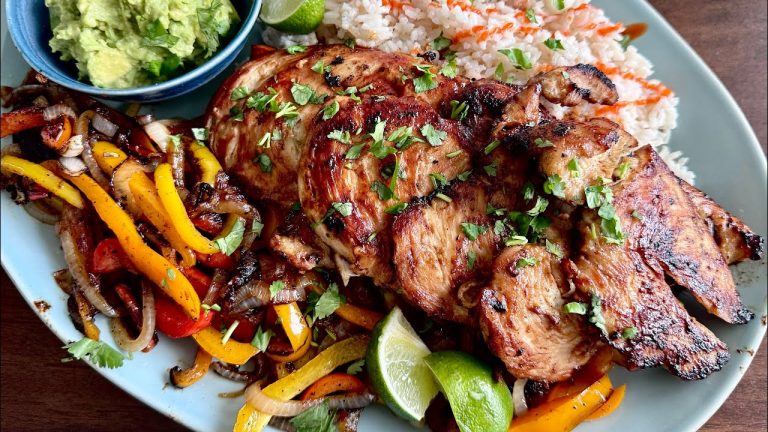
BBQ Chicken Marinade Hack (Cooking on the Flatrock Griddle)
Save this recipe (below) for this easy chicken marinade. Don’t forget to LIKE + SUBSCRIBE TO THIS CHANNEL… here ➡️ cooked on the gifted Traeger Flatrock griddle Ingredients… 1/2 cup Japanese bbq sauce like Bachman’s 1/2 cup diced pineapple, fresh 2 tbsp olive oil 1.5 lb chicken breast, sliced thin Print recipe… Video highlights 00:00…
25 Comments
Leave a Reply
You must be logged in to post a comment.
Get your own ThermoWorks RFX Wireless here! https://alnk.to/hDs7trq
Hey, do you recommend dry brining the brisket? I watched a video from Harry Soo in which he recommended applying the rub 24-48 hours in advance as a sort of dry brine but i dont see this process displayed in any restaurant cooking video or youtube backyard cook. Typically i see people putting the brisket in the cooker directly after applying the rub
If you could even measure it!,,,,, I wonder if the meat's temperature change (especially the change in the meat's 'internal' temp) 'draws' in smoke. Maybe WAY left field, but… if you start a brisket at more of a room temp, would it draw less smoke in than if started at a colder temp, like 45 degrees. If so…. start the cook at a little colder temp and it'll draw even more smoke in during the early stages.
Thanks Jeremy, your videos are so informative and helpful!
We are still awaiting that promised biscuit test
Hey, I would like you to review the new ninja pellet smoker, that also has a fan and is also propane heated with the pellets. Its called something like the flame or whatever. Either way, I would love you opinon on it. Thanks
The hypothesis confirms that the 'reverse sear' is the way to go when BBQing other things like steak. Put the meat (NOT 'PROTEIN') on the cool side to start/smoke than to the hot zone to sear/finish…
I mean, you could also take two brisket, sous vide it at 140, 165, and put in the smoker 🙂
This is a ? I’ve wondering about what are you thoughts on using Bradford pear wood to smoke with??
From a Michigander, love the pit and the Willow Run BBQ rep! Your brother’s truck is great
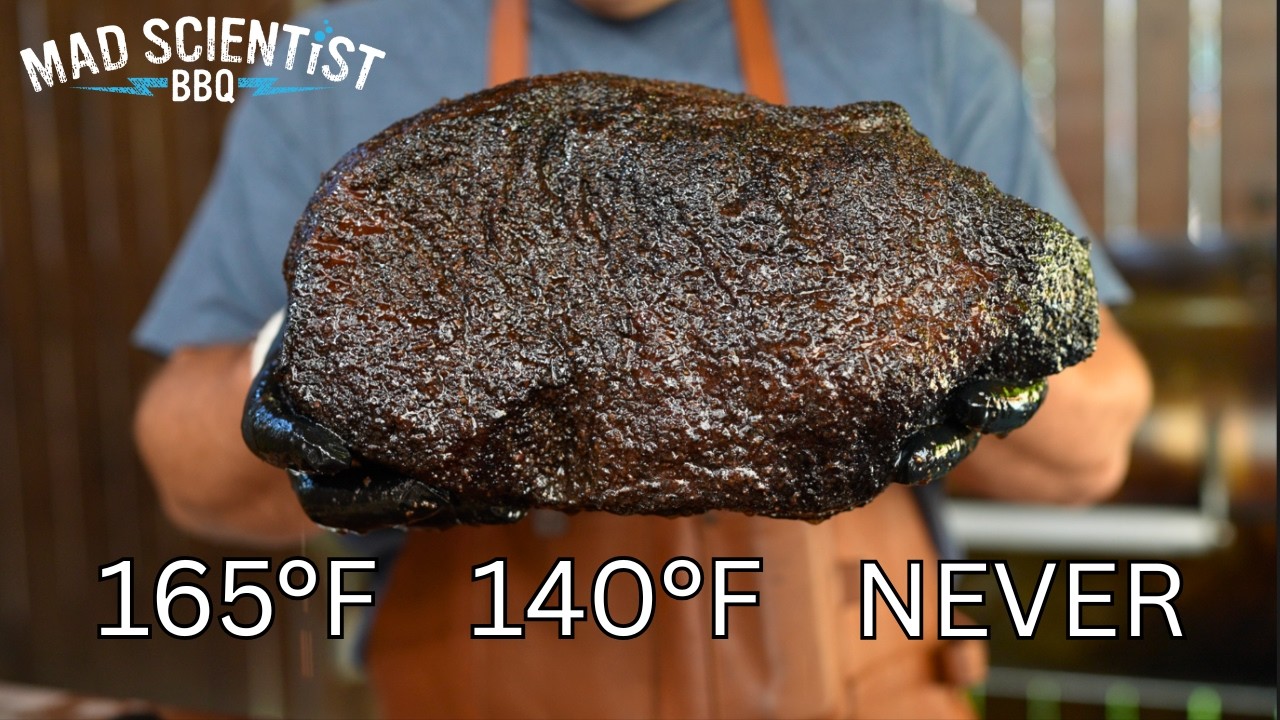
This does prove one thing for sure. Colder meat does absorb smoke much better.
A) This experiment is ridiculous. Something kept longer in or around smoke particles will have a stronger smoke smell and/or flavor. Time in smoke = smoke flavor. A brisket cooked to 140 in and oven then cold smoked for 12 hours would’ve made more sense. B) This entire experiment is backward. Starting in a clean environment proves when smoke penetration starts, not stops. C) You should redo this video with your intended idea(all briskets in the smoker to start, gradually moved to the oven), on a 1000 gallon pit you have access to that we all wish we could be near. Lol.
But where can I get the fancy gizmo……oh wait
These "commercial" videos just show how you've sold out.
Where can we buy those silicone bands? Do they come with the thermometers?
Bro. you gotta do it again. all 3 raw start in smoker. Pull one at 140 and put it in the oven to finish cooking. pull the next at 165 and put it in the oven to finish cooking. Then cook the 3rd all the way on the smoker. No wrap for any of them. Then taste all 3. if the old saying is true then they should all have the approximate same taste right? A brisket absorbs the most smoke flavor at the beginning. It can absorb more but it's less than at the beginning.
Just a thought, could it be location of the meat within the smoker in relation to fire?
Where do you put the RFX into the Brisket?? My flat comes out too dry and my point is a little undercooked , THANKs
ThermoWorks RFX is a mediocre product. Anybody serious about their temps and cooking don't use it.
Ever try MSG on a brisket Jeremy? Smokin Joe did a blind taste test with 4 or 5 people on his channel, every single person picked the brisket with MSG as their favorite.
To everybody who is saying he should have done this in reverse, can you not think? The question is Can Meat absorb smoke past 145? The best way to find out is, to not allow the meat to absorb smoke at all, until it gets to 145. That way, if there is any smoke flavor that gets absorbed, you know for certain that meat CAN absorb smoke past 145. I think it's pretty obvious that with his test, meat CAN absorb meat past 145, because it had no chance to UNDER 145. From this, I think it's fairly easy to deduce that since by far most of the smoke flavor came from the brisket that went on the smoker raw, that you aren't going to get all that much more smoke past 145, but you can get some. Not enough to matter though.
I would suggest doing a series where you test spritzing ribs vs not spritzing and trying different kinds
Late to comment.
Something I take away from this is the hotter the meat the greater the diminishing return on smoking it.
That being said I do wonder if smoke saturation is an aspect to consider.
We know there are limits to how much salt can be absorbed into water and it takes outside conditions to increase that amount (water temp and agitation)
So IF both factors are true where meat temp and saturation reduce the rate smoke absorbs into the meat we can figure out the point of diminishing return where it is no longer viable to keep smoking.
This I do acknowledge does not take into consideration density / quality of the smoke being used.
Other than cooking time, i also wonder what would happen if you split a brisket lengthwise before smoking it. Seems blasphemous, but would it be better than splitting point and flat? Seems like wrapping a thinner brisket would be easier and since it takes less time to get to temperature you can get to the rest period sooner.
Why would you think it wouldn’t take on smoke? Smoke is a particle, it physically adheres as long as the object is in it.